1. Multiple Health Checks in One Station
One of the main advantages of a multifunctional healthcare kiosk is the ability to combine several examination devices in a single installation.
Depending on the selected configuration, a health check kiosk can support:
- Vital signs:Infrared body temperature measurement, blood pressure, and blood oxygen saturation.
- Body composition:Height, weight, BMI, and body composition measurements using compatible equipment.
- Cardiac assessment:12-lead electrocardiogram (ECG) examinations.
- Visual and physical examinations:Eye examinations using an iris-scope camera, skin examinations using a dermascope, ear examinations using an otoscope, and heart and lung auscultation using a stethoscope.
- Blood and urine testing:Hemoglobin, blood glucose, uric acid, total cholesterol, and urine analysis, depending on the installed analyzers.
Combining these functions in one health screening kiosk can simplify access to multiple basic examinations without requiring a separate station for every measurement.
2. Improve Access to Preventive Health Screening
A self-service health check kiosk can bring routine screening closer to where people live, work, and access everyday services.
In pharmacies and community health centers, users may access selected measurements as part of a wellness program. Corporate offices and factories can use health screening stations to support employee wellness initiatives, while clinics can incorporate them into preliminary assessment workflows.
The availability of multiple measurement options makes the system adaptable to different screening requirements. The exact workflow depends on the location, selected medical modules, and level of professional supervision.
Importantly, screening results are not a substitute for a medical diagnosis. Abnormal or concerning findings should be reviewed by qualified healthcare professionals.
3. Support More Efficient Screening Workflows
Conducting multiple measurements manually can require staff time, equipment changes, and separate recording processes.
An automated health screening station can guide users through selected examinations using touchscreen instructions and a structured workflow. Depending on the software integration, results may be displayed together, printed, or transferred to a compatible health management system.
For healthcare providers managing regular screening activities, this approach can help organize the measurement process and reduce repetitive administrative tasks. Staff can then focus on assisting users, reviewing results, and handling cases that require professional attention.
4. Expand Healthcare Services Across Different Locations
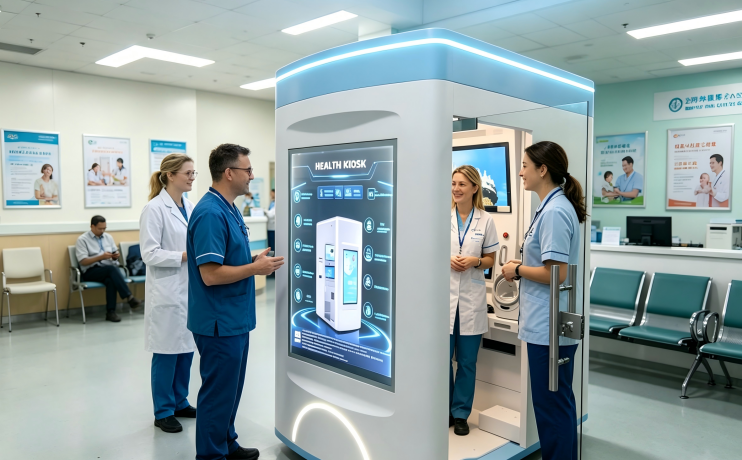
A multifunctional medical kiosk can serve different environments depending on its configuration.
- Clinics and medical centers:Preliminary measurements and routine health screening.
- Pharmacies:Convenient access to selected wellness checks.
- Community health centers:Health awareness and screening programs.
- Corporate offices and industrial facilities:Employee wellness and workplace health initiatives.
- Senior care facilities:Routine monitoring and selected health assessments, with appropriate assistance.
- Remote and underserved communities:An additional access point for basic measurements where suitable clinical support is available.
For healthcare organizations, integrating several examination modules into one station can help make more efficient use of limited floor space.
5. Connect Medical Devices With Digital Health Management
Hardware integration is another important consideration when selecting a medical health screening kiosk.
The system may combine measurement devices, a touchscreen computer, barcode or ID scanning, report printing, and software for presenting or managing examination results. Where supported, integration with healthcare information systems can help transfer data into existing workflows.
However, not every medical device supports the same interfaces or data formats. Compatibility, calibration, data accuracy, privacy protection, and applicable medical-device regulations should be evaluated before deployment.
6. How to Choose the Right Healthcare Kiosk
Before investing in a healthcare cabin, organizations should identify their required examination items, expected user volume, installation environment, software integration needs, and reporting requirements.
They should also confirm whether each medical module is included in the selected configuration, whether trained personnel are required, and what maintenance or consumables are needed for ongoing operation.
A well-planned solution should balance examination capabilities, ease of use, reliability, and compliance with the requirements of the target market.
Build a Multifunctional Health Screening Solution
A multifunctional healthcare kiosk brings diverse examination capabilities into one integrated station, supporting more convenient access to selected health checks across clinical, community, and workplace environments.
Diversity Kiosk provides customizable kiosk hardware and integration options for different self-service applications. Contact us to discuss your required examination modules, system configuration, and deployment environment, and explore a health screening solution tailored to your project.