If you have ever traveled internationally and found yourself searching for a fair exchange rate without the long bank queues, you have likely encountered a currency exchange kiosk. These self-service machines have revolutionized the way we handle foreign currency, offering instant access to cash exchange, and in modern iterations, even cryptocurrency trading.
In 2026, the demand for automated, secure, and efficient currency exchange solutions is skyrocketing. As a leading manufacturer of self-service terminals, we understand that businesses—from busy airports to retail hubs—need robust machines that combine security with user-friendliness. This guide provides a comprehensive overview of the currency exchange kiosk machine, detailing how it works, its hardware specifications, and why it is an essential investment for businesses looking to streamline operations.
- What is a Currency Exchange Kiosk?
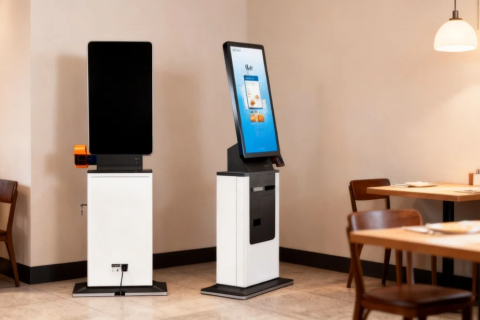
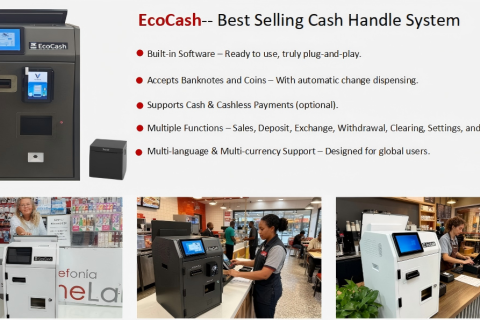
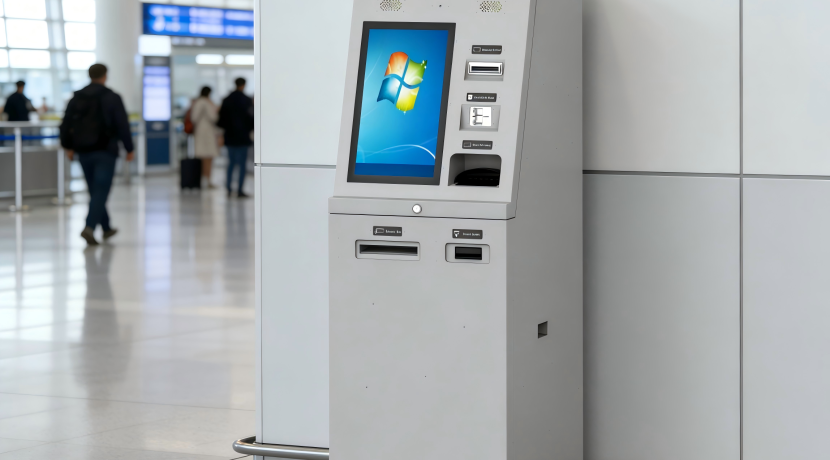
A currency exchange kiosk is a self-service terminal that allows users to convert one currency into another without the need for a human teller. Traditionally, these machines accepted cash (banknotes) to dispense foreign currency. However, modern kiosks have evolved significantly.
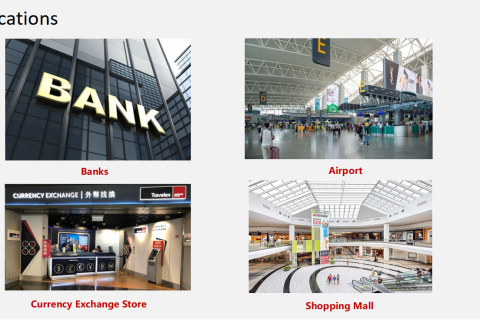
Today’s advanced models, such as the DK-D830X, go beyond simple cash-to-cash conversion. They are comprehensive financial hubs that enable users to buy and sell cryptocurrencies using cash or cards. Whether located in an airport departure lounge, a shopping mall, or a casino, these kiosks provide 24/7 availability, reducing wait times and offering competitive, transparent rates.
- Why Businesses Are Investing in Currency Exchange Machines
The adoption of automated currency exchange solutions is driven by three core business benefits:
Increased Revenue Streams: By offering exchange services, businesses capture revenue that would otherwise go to banks or off-site competitors. Adding cryptocurrency functionality opens up a lucrative, tech-savvy customer base.
Operational Efficiency: A kiosk operates 24/7 without labor costs. One machine can handle hundreds of transactions daily, freeing up staff to focus on customer service rather than manual cash handling.
Enhanced Customer Experience: Travelers value speed. A kiosk transaction takes minutes, eliminating the frustration of waiting in line for a bank teller, especially during peak travel seasons.
- Core Hardware Components of a High-Performance Kiosk
To ensure reliability and security, a high-quality currency exchange kiosk relies on industrial-grade hardware. Based on our DK-D830X model, here are the critical components that define a premium machine:
The Main Chassis and Screen
The machine utilizes a robust housing with a 23.8-inch capacitive touchscreen. This 10-point touch display offers a resolution of 1920*1080, ensuring the user interface is responsive and clear, even in high-light environments like airport terminals.
Banknote Handling
Banknote Receiver: The system uses high-end receivers capable of accepting bundle banknotes in a single stack. It features easy jam clearing and a secure cash box that holds up to 10,000 notes.
Banknote Dispenser: The dispenser unit is the workhorse of the machine. It supports up to 8 cassettes, allowing the machine to hold multiple currencies or large volumes of cash. It dispenses notes at a speed of 8 notes per second and includes a “forgotten note retraction” feature to secure cash if the user forgets to take it.
Identification and Security
Passport Scanner: To comply with KYC (Know Your Customer) regulations, the kiosk includes an OCR scanner that reads ICAO 9303 compliant passports, Mainland Travel Permits, and ID cards.
Surveillance: Security is paramount. The machine is equipped with a wide-angle camera for user monitoring and a pinhole camera focused on the dispensing mouth to record every transaction and prevent fraud.
Access Control: An I/O control board manages door sensors and locks, ensuring that only authorized personnel can access the cash cassettes.
Additional Peripherals
QR Scanner: Supports 1D and 2D barcodes for digital receipts or cryptocurrency wallet addresses.
POS Terminal: Integrated card readers support magnetic stripe, chip, and contactless payments (VISA, Mastercard, Alipay, WeChat) for users who wish to buy currency via card rather than cash.
- Software and User Experience
The hardware is only as good as the software running it. A modern currency exchange kiosk requires a sophisticated software ecosystem to manage the complexity of multi-currency transactions, including fiat and crypto.
Multi-Lingual Interface: The system supports multiple languages (starting with English), making it accessible to international travelers.
Dynamic Fees: Operators can set customizable fee structures, combining a base fee with a percentage of the transaction am.
Real-Time Monitoring: A backend server allows operators to manage exchange rates, track inventory (cash levels), and monitor device status remotely.
Automated Alerts: The system sends email alerts for critical events such as low paper in the receipt printer, low cash levels in the dispenser, full cash boxes, or unauthorized access attempts.
- Emerging Trends: The Rise of Crypto in Kiosks
One of the most significant shifts in the industry is the integration of cryptocurrency. In 2026, a currency exchange kiosk is no longer just for dollars and euros.
Users can now buy Bitcoin or Ethereum using cash or a debit card directly from the kiosk. Conversely, they can sell their digital assets and receive cash instantly. This feature turns the kiosk into a bridge between the traditional fiat economy and the digital asset economy—a massive draw for tech-savvy users and investors.
- How to Choose the Right Currency Exchange Kiosk Supplier
When selecting a kiosk for your business, consider the following:
Customization: Can the supplier customize the number of cassettes (cash boxes) and the types of peripherals? If you need to handle 8 different currencies, you need a machine that supports external dispensing modules.
Compliance: Ensure the hardware complies with financial security standards, including PCI for card payments and secure cash handling.
After-Sales Support: Look for a supplier offering global support, remote monitoring, and quick access to replacement parts like printers or scanners to minimize downtime.
Future-Proofing: Does the machine support the latest trends, such as cryptocurrency and contactless interactions?
Conclusion
The currency exchange kiosk has evolved from a simple cash dispenser into a sophisticated financial center capable of handling fiat currency and cryptocurrency with equal ease. For businesses in high-traffic locations, investing in a high-quality, secure, and customizable machine like the DK-D830X offers a significant return on investment by reducing operational costs and capturing a global audience.
Choosing the right currency exchange kiosk manufacturer is the most critical step in launching a successful automated exchange business. You need hardware that is durable, software that is secure, and a partner who understands the intricacies of international finance.
At Diversity Kiosk, we specialize in designing and manufacturing high-performance terminals like the DK-D830X that bridge the gap between traditional cash and the digital future. Whether you are looking to streamline operations at a major airport or provide 24/7 financial services in a luxury resort, our solutions are tailored to meet your needs.
Ready to transform your currency exchange business? Contact our expert team today for a custom quote and a full demonstration of our self-service technology.
Shenzhen Diversity Kiosk has 15+ years of experience in financial terminal design. Specializes in integrating secure cash handling with next-generation digital asset technology.